

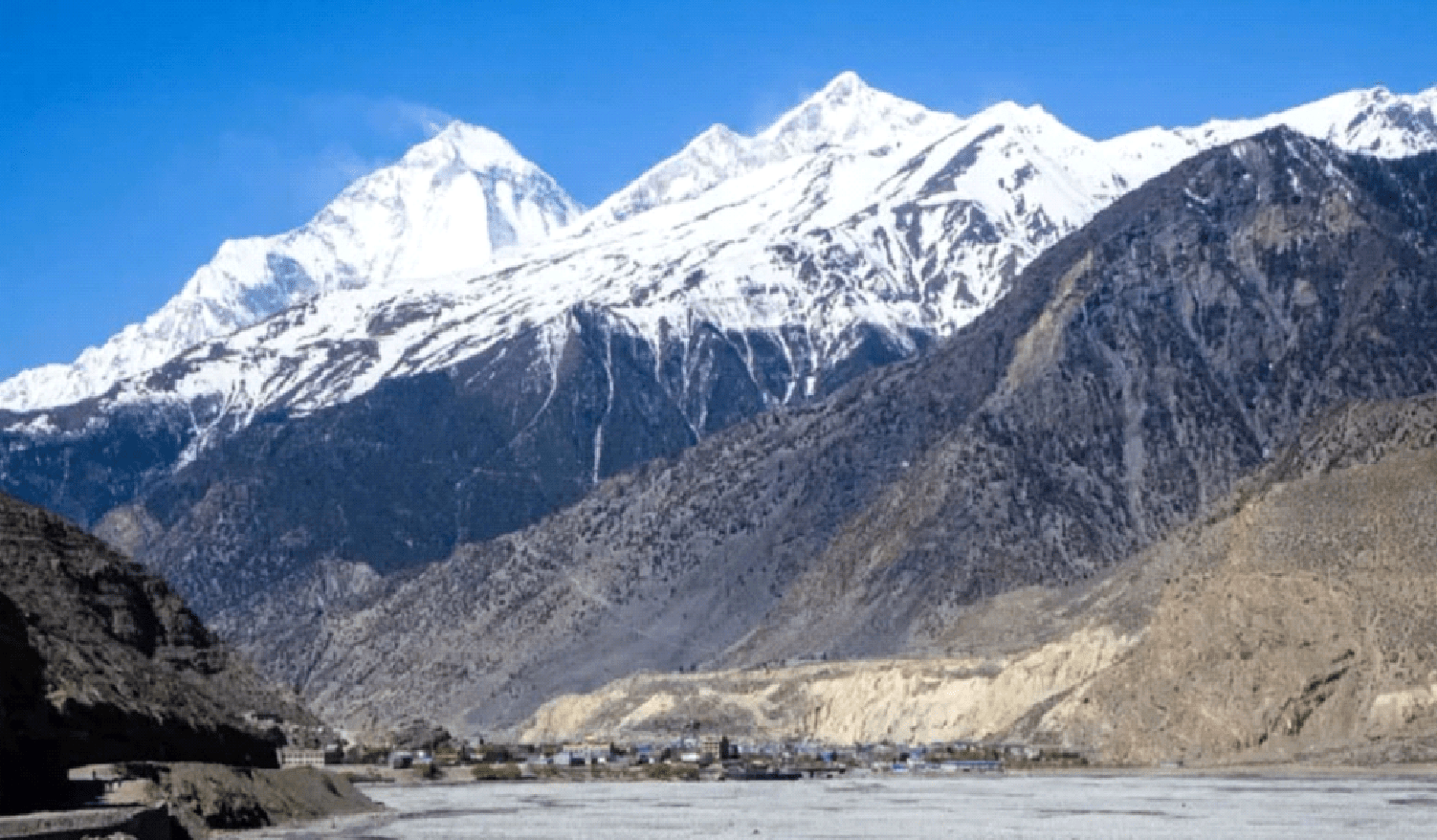


- Quick Facts
- Administrative Center: Jomsom (Lower Mustang); Lo Manthang (Upper Mustang)
- Official Language: Nepali (Thakali and Tibetan dialects widely spoken)
- Currency: Nepalese Rupee (NPR)
- Time Zone: UTC +5:45
- Entry Requirements
- Nepal entry visa required for most nationalities (available on arrival in Kathmandu or online e‑visa).
- Trekking permits are mandatory: – Upper Mustang Restricted Area Permit (RAP) via a licensed trekking agency, with a registered guide. – Annapurna Conservation Area Permit (ACAP) for both Lower and Upper Mustang.
- Passport must be valid for at least 6 months beyond entry.
- Health & Immunizations
- Recommended vaccines: Hepatitis A, Hepatitis B, Typhoid, Rabies (for rural/animal exposure), and routine immunizations (MMR, Tdap, Polio).
- Altitude considerations: itineraries often exceed 3,500 m (11,500 ft); ascend gradually and consider acetazolamide per doctor’s advice.
- Carry comprehensive travel insurance that covers helicopter evacuation.
- Drink bottled/boiled water; avoid uncooked foods in remote areas.
- Climate & Temperatures
Season Months Avg. Temp (°C/°F) Notes Winter Dec – Feb -10°C to 5°C (14°F to 41°F) Very cold; snow possible; many lodges close Spring Mar – May 0°C to 15°C (32°F to 59°F) Clear views; cold nights; increasing winds Summer/Monsoon Jun – Aug 5°C to 18°C (41°F to 64°F) Mustang is in the rain shadow—drier than much of Nepal; strong afternoon winds Autumn Sep – Nov 0°C to 14°C (32°F to 57°F) Stable weather, crisp skies; chilly evenings - Packing List
- Layered clothing (base layer, fleece, insulated jacket) for wide temperature swings.
- Windproof/waterproof shell; scarf or buff for frequent dust/wind.
- Warm hat, gloves, thermal socks; sun hat and UV sunglasses.
- Trekking boots with ankle support; camp shoes.
- Sunscreen and lip balm (high UV at altitude).
- Reusable water bottle + purification method; personal first aid and any prescriptions.
- Power adapter (Type C, D, M plugs; 230V) and power bank (electricity can be intermittent).
- Transportation
- International access via Tribhuvan International Airport (Kathmandu).
- Domestic flights: Kathmandu ↔ Pokhara; Pokhara ↔ Jomsom (weather‑dependent, morning flights most reliable).
- Helicopter charters are possible to Lo Manthang/Jomsom during certain seasons.
- Electricity
- Voltage: 230V, Frequency: 50Hz
- Plug Types: C, D, and M
- Supply may be intermittent; carry a power bank.
- Recommended Tipping
- Restaurants/Tea Houses: 5–10% if not included.
- Trekking Guide: US$10–20 per person/day (more for remote Upper Mustang expeditions).
- Porters: US$5–10 per person/day.
- Drivers (airport/hotel transfers): US$5–10 per vehicle.
- Lodges: Small tips for housekeeping/attendants are appreciated.
- Food
- Local Thakali cuisine is a highlight: Thakali set (rice/lentils/vegetables/pickle), buckwheat pancakes (kaguno), and dhindo.
- Tibetan‑influenced dishes: momo (dumplings), thukpa (noodle soup), yak products (butter, cheese), and butter tea.
- Vegetarian options common in tea houses; menus narrow with altitude/season.
- Culture & Behavior Tips
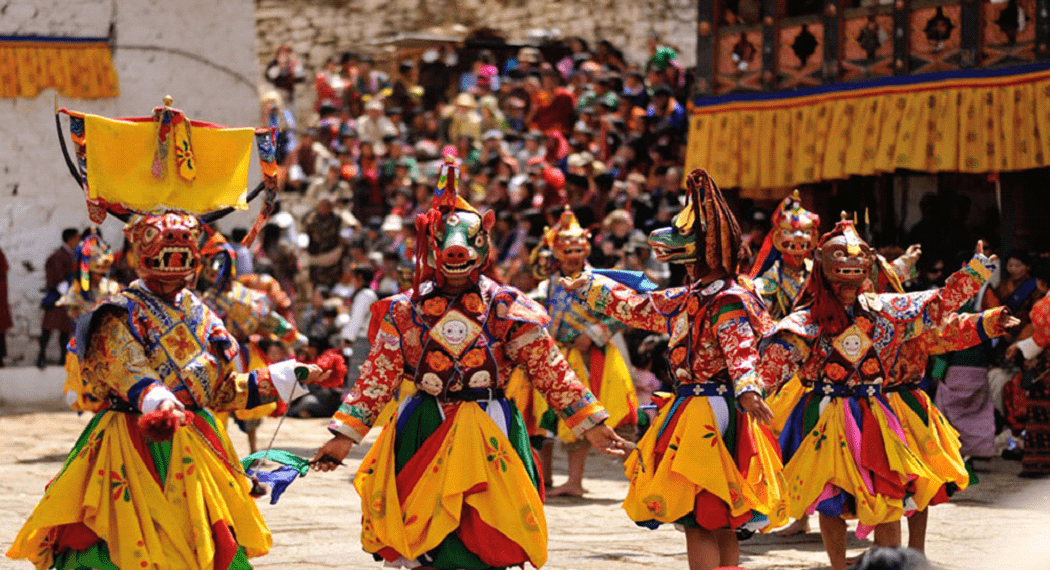
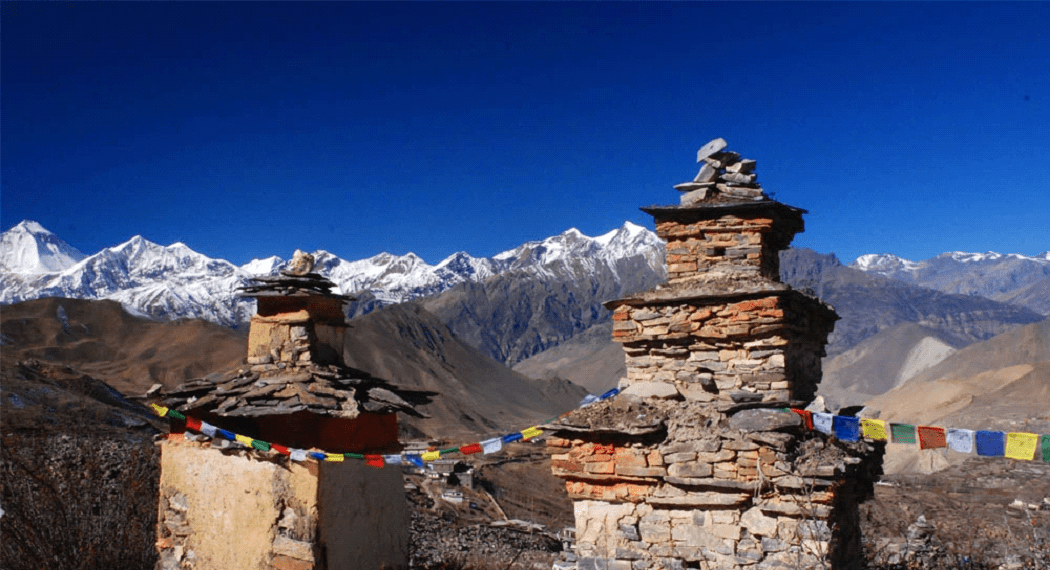
- Predominantly Tibetan Buddhist; be respectful in monasteries and around chortens and mani walls—keep them to your right when passing.
- Request permission before photographing people, sky caves, or religious ceremonies.
- Dress modestly and avoid smoking or loud behavior near sacred sites.
- Must follow local permit rules; independent trekking in Upper Mustang is not permitted.
- Practical Tips
- Permits are checked frequently—carry originals and copies.
- Cash is essential beyond Jomsom; ATMs are scarce.
- Connectivity is limited; inform family of potential communication gaps.
- Weather can ground flights—plan buffers in/out of Pokhara/Kathmandu.
- Altitude and wind exposure are significant—schedule acclimatization days.