A Luxury Journey For SINGLES Through Tibet’s Shoton Festival: 5 Days of Culture, Ceremony & Himalayan Splendor In Lhasa

Journey: 08/29/2027 - 09/02/2027 Duration: 5 Days Single Room Price: $4100 pp Double Sharing Price: $3500 pp Limited To: 2-16

Step into Tibet’s most luminous week of the year. Over five vivid days in Lhasa, the Shoton (“Yogurt”) Festival unfolds in a tapestry of devotion and artistry: the dawn unveiling of an immense Thangka at Drepung, the cadence of monastic debates at Sera, masked opera beneath the willows of Norbulingka, and the pulse of horse and yak races on the highland plain.

Beyond the pageantry, this journey offers an intimate encounter with Tibet’s enduring spiritual pulse. From the golden rooftops of the Potala Palace to the chanting halls of Jokhang Temple, from the colorful street circuits of Barkhor to the tranquil gardens of Norbulingka, each experience reveals a layer of devotion, artistry, and resilience that defines life on the “Roof of the World.”

Between celebrations, trace the sacred spine of the city—from the golden rooftops of the Potala Palace and the incense-lit halls of Jokhang to the pilgrim circuit of Barkhor—balancing cultural immersion with gentle acclimatization and relaxed meals. It’s Tibet at its most joyful: ancient ritual, living faith, and festival color set against Himalayan light

Stay in a thoughtfully selected boutique hotel in the heart of Lhasa, perfectly positioned for comfort and acclimatization, while savoring authentic Tibetan cuisine and moments of quiet reflection. Whether it’s the scent of juniper smoke rising from temple courtyards or the sound of long horns echoing through the valleys, this is not just a festival—it is a journey into the living soul of Tibet.

Trip Overview

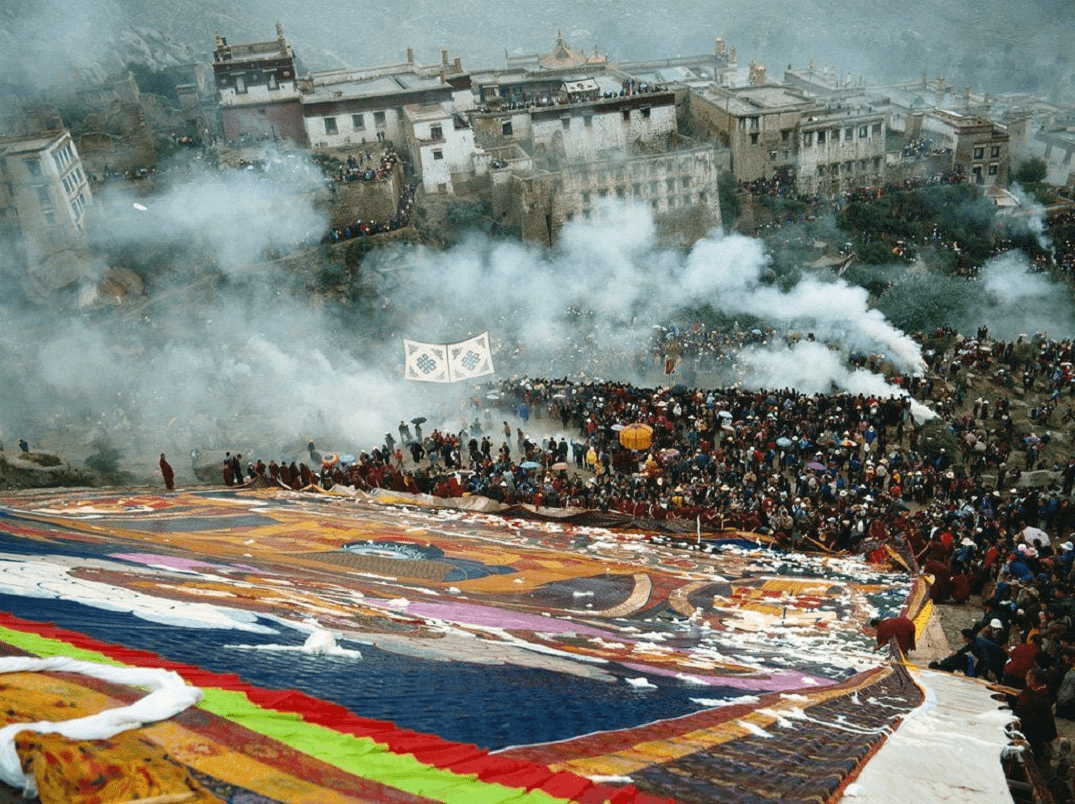
  • Thangka at Dawn: Witness the colossal Shoton Thangka unfurl across Drepung’s hillside in a once-a-year ceremony of chant, horn, and incense.
  • Living Scholarship: Observe Sera’s famed courtyard debates—clapping cadence, quick logic, and centuries of tradition made kinetic.
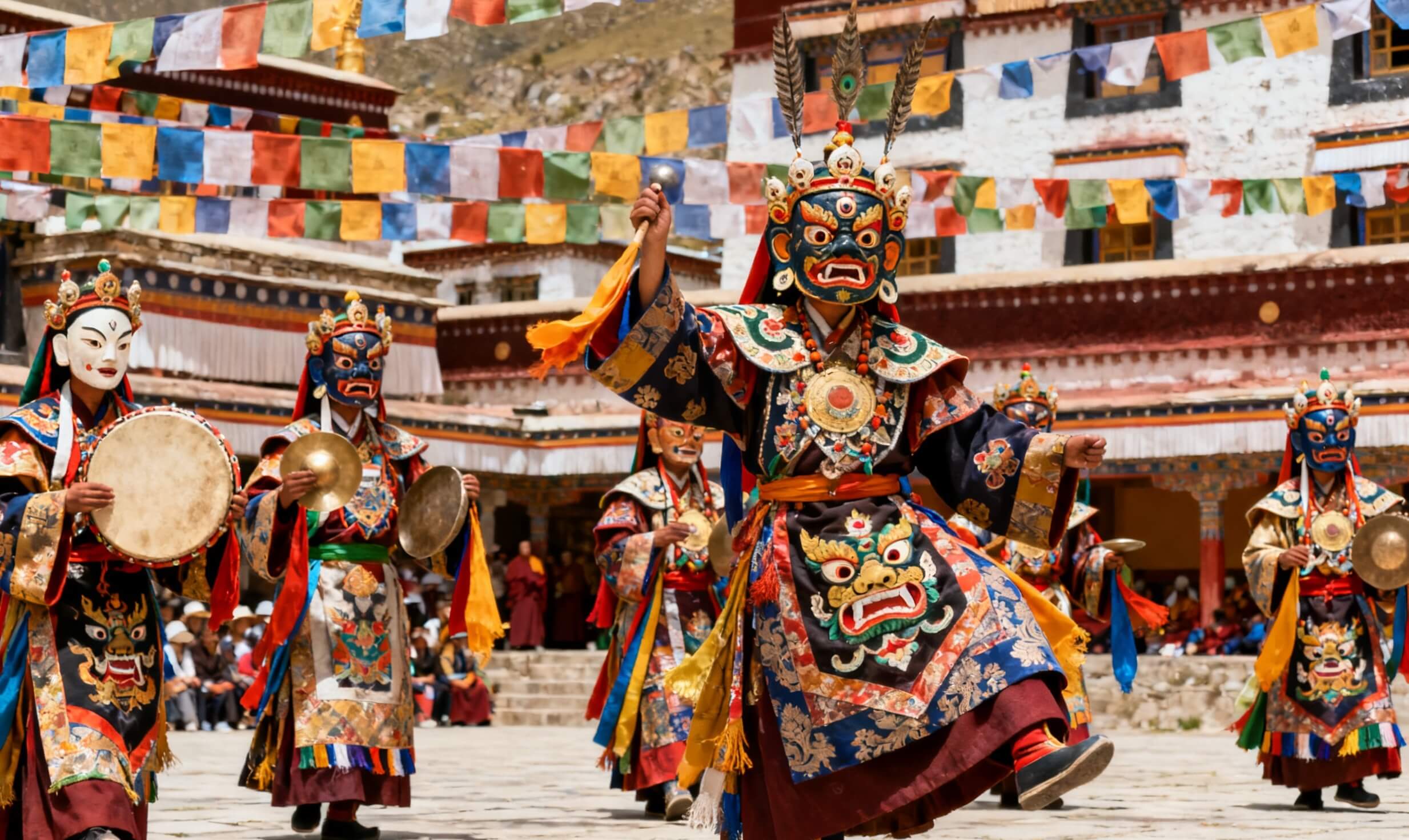
  • Opera in the Willows: Enjoy Tibetan opera at Norbulingka, the Summer Palace, where masked dancers and musicians animate epic tales.
  • Nomad Heritage: Feel festival energy at the Lhasa Race Course—horse and yak races in a high-altitude celebration of skill and speed.
  • Lhasa’s Sacred Core: Explore the Potala Palace, Jokhang Temple, and the Barkhor kora, the city’s timeless spiritual circuit.
  • Slow & Considered Pace: Boutique base in central Lhasa, curated dining, and itinerary timing designed for altitude comfort.

A travel experience like no other

Curated journeys of festivals, celebration, culture, and exclusive experiences

  • Thangka at Dawn: Witness the colossal Shoton Thangka unfurl across Drepung’s hillside in a once-a-year ceremony of chant, horn, and incense.
  • Living Scholarship: Observe Sera’s famed courtyard debates—clapping cadence, quick logic, and centuries of tradition made kinetic.
  • Opera in the Willows: Enjoy Tibetan opera at Norbulingka, the Summer Palace, where masked dancers and musicians animate epic tales.
  • Nomad Heritage: Feel festival energy at the Lhasa Race Course—horse and yak races in a high-altitude celebration of skill and speed.
  • Lhasa’s Sacred Core: Explore the Potala Palace, Jokhang Temple, and the Barkhor kora, the city’s timeless spiritual circuit.
  • Slow & Considered Pace: Boutique base in central Lhasa, curated dining, and itinerary timing designed for altitude comfort.
Day 1

Arrive in Lhasa to a ceremonial khata welcome and private transfer to your centrally located hotel; the rest of the day is reserved for gentle acclimatization and unhurried first impressions of Tibet’s holy capital

Day 2
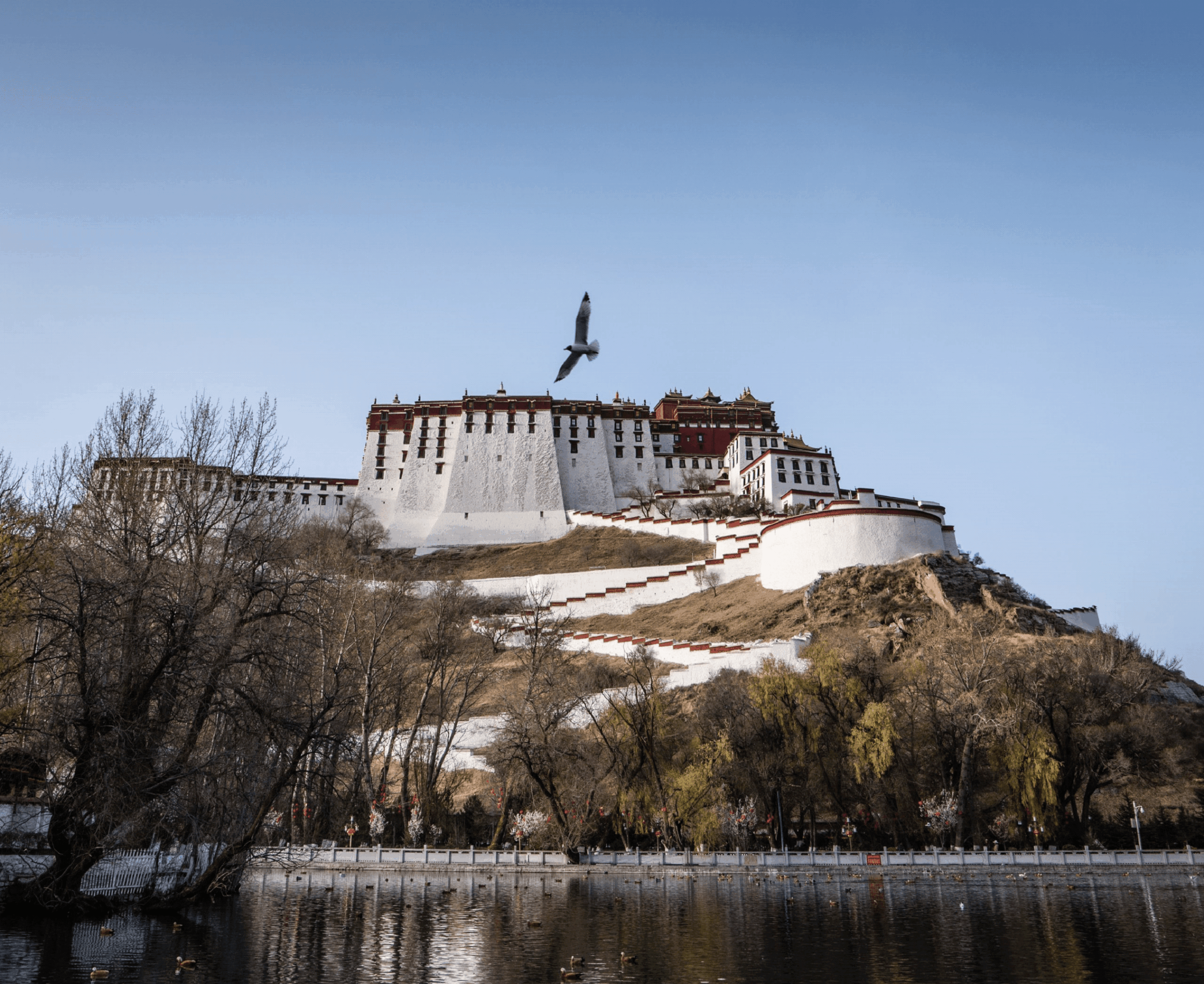
  • Potala Palace Interior & Rooftop Views – Explore the former winter residence of the Dalai Lamas, wandering past golden stupas, ancient murals, and relic-filled chapels before stepping out to sweeping rooftop views over Lhasa and the surrounding mountains.
  • Insight into Tibetan Spiritual History – Hear stories of the Dalai Lamas, the palace’s role in Tibetan governance and ritual life, and how Potala became one of the most important symbols of Tibetan identity.
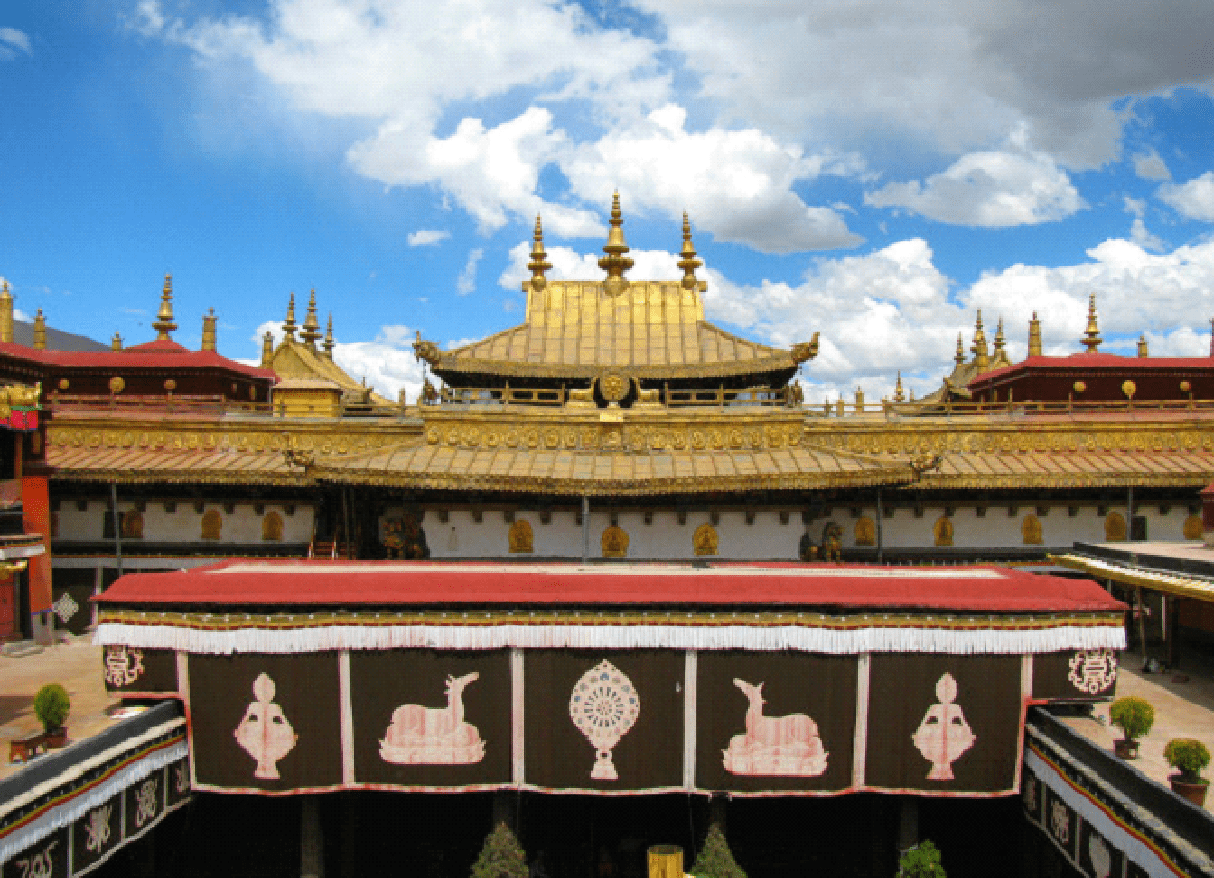
  •  Jokhang Temple – Heart of Tibetan Buddhism – Visit Tibet’s holiest temple, a continuous center of worship for more than 1,300 years, and experience its butter-lamp glow, incense-filled chapels, and the revered Jowo Sakyamuni statue.
  • Living Pilgrimage Traditions – Observe pilgrims who have journeyed from across the plateau, spinning prayer wheels, prostrating in devotion, and circling the temple in a timeless expression of faith.
  • Guided Walk Along Barkhor Kora – Join the flow of monks, nuns, and lay pilgrims along the Barkhor circumambulation route—an atmospheric circuit of shrines, alleyways, and market stalls encircling Jokhang.
  •  Old Lhasa Atmosphere & Local Life – Soak in the rhythm of daily life: traders selling prayer flags and malas, chatter in Tibetan and Mandarin, and rooftop views of golden roofs against the high-altitude sky.
  •  Curated Local Lunch Experience – Enjoy a relaxed meal at a handpicked local restaurant, with the opportunity to sample Tibetan specialties and discuss the morning’s sites with your guide.
  • Photography & Quiet Reflection – Capture quintessential images of Old Lhasa—prayer flags, whitewashed walls, and spinning prayer wheels—while also carving out time for quiet contemplation in courtyards and side chapels
Day 3
  • Shoton Festival Dawn Ceremony – Join local pilgrims at Drepung Monastery for the dramatic early-morning unveiling of a monumental Buddha Thangka.
  • Historic Drepung Monastery – Explore one of Tibet’s great Gelug university monasteries, once home to more than 10,000 monks.
  • Thangka & Incense Rituals – Hear longhorns echo across the valley, breathe in juniper incense, and watch worshippers prostrate in unison as the Thangka is unfurled.
  •  Nechung Oracle Monastery – Visit the traditional seat of the State Oracle, once consulted by Dalai Lamas and the former Tibetan government.
  •  Private Monk’s Blessing – Receive a personal blessing at Nechung, a quiet, intimate moment amid the festival’s energy
Day 4
  • Lhasa Race Course – Horse & Yak Races – Feel the festival energy as riders in vivid silks guide their horses and yaks across the field at full gallop, echoing Tibet’s nomadic roots and deep bond with the land.
  • Nomadic Heritage on Display – Learn how horsemanship, yak culture, and traditional dress reflect centuries of life on the high plateau, from trade routes to pastoral migrations.
  • Norbulingka – Summer Palace of the Dalai Lamas – Stroll through willow-shaded gardens and pavilions at the former summer retreat of the Dalai Lamas, an oasis of calm and beauty in the heart of Lhasa.
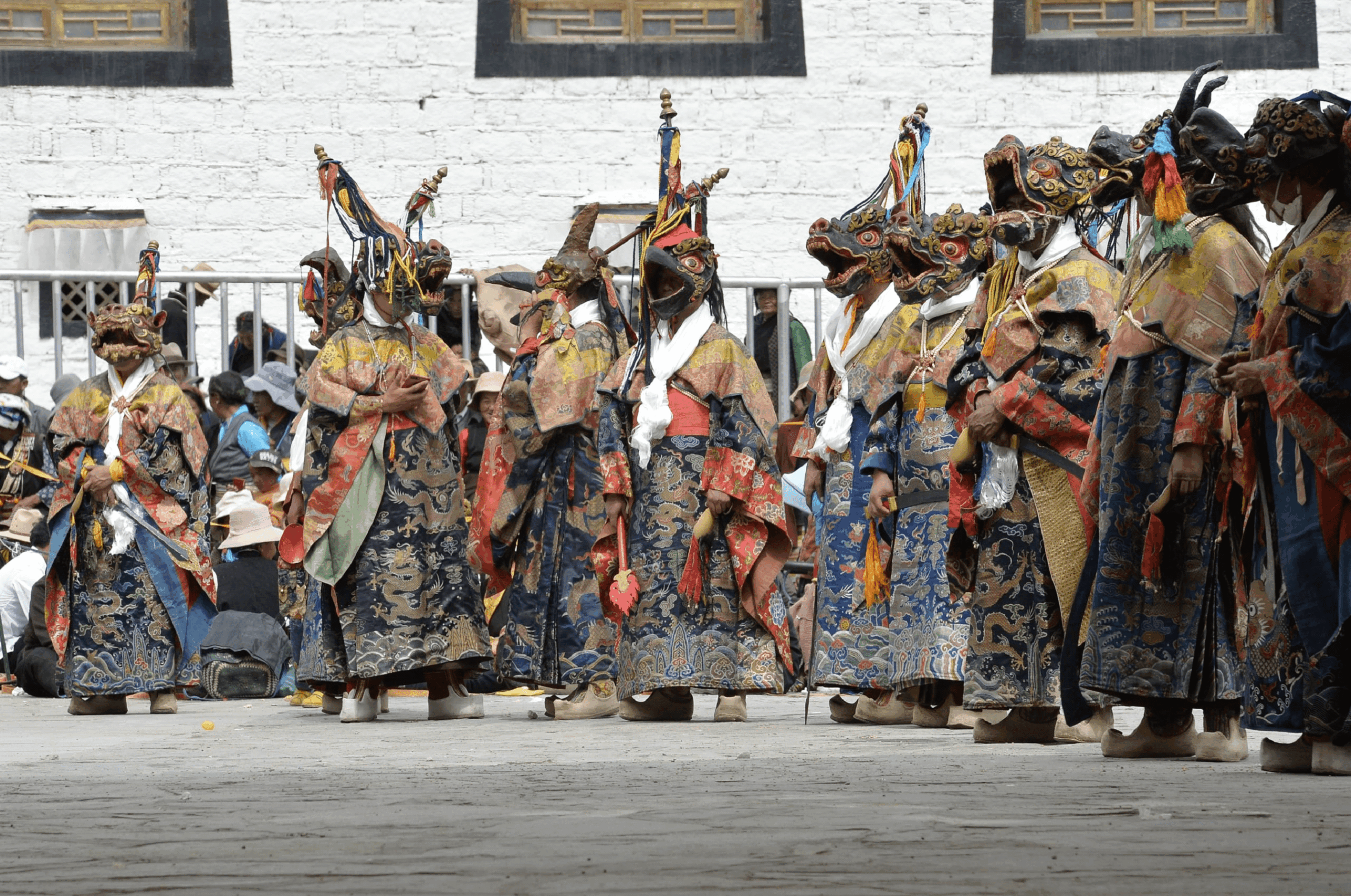
  • Live Tibetan Opera Performance – Experience traditional Lhamo (Tibetan opera) performed in Norbulingka’s gardens: elaborate masks, brocade costumes, and timeless storylines that blend myth, moral teaching, and devotion.
  •  Immersive Festival Atmosphere – Join local families and pilgrims gathered for picnics, music, and performances—an authentic glimpse into how Tibetans celebrate Shoton as both a spiritual and social holiday.
  • Tibet Museum – Curated Cultural Journey – Explore thoughtfully curated galleries featuring thangkas, ritual objects, manuscripts, and regional clothing that bring Tibet’s history and beliefs into sharp focus.
  • Context for What You’ve Seen – Connect the dots between monasteries, festivals, and daily life as you trace Tibet’s political, artistic, and religious evolution through the museum’s exhibits.
  • Photography & Reflection Time – Capture vibrant scenes—from racing horses to masked performers and museum treasures—while also enjoying quiet moments in Norbulingka’s gardens or museum courtyards
Day 5

Bid farewell to Lhasa and the sacred landscapes of Tibet. Enjoy a private transfer to the airport or train station as you depart the Land of Snows, carrying with you the stillness of the Himalayas and the blessings of this extraordinary journey

Day 1

Arrival at Lhasa [3,658m]

Arrive in Lhasa to a ceremonial khata welcome and private transfer to your centrally located hotel; the rest of the day is reserved for gentle acclimatization and unhurried first impressions of Tibet’s holy capital

Upon arrival in Lhasa, you’ll be met at the airport or train station by your local Tibetan guide, who will greet you with the traditional white khata scarf—a symbolic gesture of blessing and goodwill. After this warm welcome, you’ll be transferred in comfort through Lhasa’s valley to your hotel, where you can settle in and begin adjusting to the altitude. The remainder of the day is reserved for rest and gentle acclimatization. Step out onto your balcony or the hotel terrace to take in your first views of the Potala Palace gleaming in the afternoon light—your first glimpse of the “Roof of the World”..

Hotel:
The St. Regis Lhasa Resort

  • Dinner
Day 2

Sacred Heart of Lhasa: Potala Palace, Jokhang Temple & Barkhor Circuit

Step into the living spiritual core of Tibet with guided visits to the majestic Potala Palace, the holiest Jokhang Temple, and the vibrant Barkhor pilgrimage circuit — where centuries of faith, art, and culture meet beneath Himalayan skies

Today unveils the essence of Lhasa — its sacred landmarks, its heartbeat of devotion, and its sweeping Himalayan beauty. Begin with a guided exploration of the Potala Palace, the towering symbol of Tibetan spirituality and the former winter residence of the Dalai Lamas. Within its red and white walls lie golden stupas, intricate murals, and sacred relics that reflect the grandeur of Tibet’s spiritual heritage. From its rooftop, take in an unforgettable panorama of the city and the distant mountain ridges.

After a relaxing lunch at a handpicked local restaurant, continue to the Jokhang Temple, Tibet’s holiest shrine and an unbroken center of Buddhist worship for over 1,300 years. Step inside its incense-scented chambers illuminated by butter lamps, and stand before the revered statue of Jowo Sakyamuni Buddha — the spiritual heart of Tibetan Buddhism.

Conclude your day with an immersive walk along Barkhor Street, where pilgrims, monks, and traders mingle in an ancient rhythm of devotion and life. The circular kora route surrounding Jokhang Temple captures the timeless energy of Lhasa — the flutter of prayer flags, the murmur of mantras, and the golden light of late afternoon over the Old City.

Hotel:
The St. Regis Lhasa Resort

  • Breakfast
  • Lunch
  • Dinner
Day 3

Lhasa sightseeing: Shoton Festival

Step into one of Tibet’s most time-honored celebrations, the Shoton Festival, where spirituality and pageantry converge in dazzling harmony. Witness the magnificent unveiling of a sacred Thangka at Drepung Monastery, receive a monk’s blessing at Nechung—the oracle temple once consulted by Dalai Lamas—and observe the animated philosophical debates at Sera Monastery, where centuries-old intellectual traditions still thrive

Today offers a rare glimpse into Tibet’s living heritage as you experience the Shoton Festival, literally the “Yogurt Banquet Festival,” a centuries-old tradition marking the end of monks’ summer retreat. Originating in the 11th century, it began when locals offered yogurt to monks emerging from meditation, later evolving under the Great Fifth Dalai Lama in the 17th century into one of Lhasa’s grandest annual observances.

At dawn, join the crowds at Drepung Monastery, once Tibet’s largest monastic institution and home to over 10,000 monks before 1959. As the sun rises, witness the ceremonial unfurling of an enormous Thangka—a hand-painted silk image of the Buddha— that cascades down the hillside. The booming of longhorns and the scent of juniper incense fill the crisp morning air as thousands of devotees prostrate in unison. The ritual symbolizes the illumination of the world by Buddha’s wisdom, a timeless act of collective devotion.

Your next stop is Nechung Monastery, spiritual seat of the State Oracle of Tibet, where oracles once offered prophetic guidance to Dalai Lamas and the Tibetan government. Amid rhythmic chanting and the resonance of temple drums, you’ll receive a monk’s blessing—an intimate encounter with one of the oldest spiritual traditions in Tibetan Buddhism.

After a traditional Tibetan lunch, continue to Sera Monastery, founded in 1419 by a disciple of Tsongkhapa, the founder of the Gelug school. Within its whitewashed courtyards, monks engage in animated debates on Buddhist philosophy, clapping sharply to emphasize key points and to symbolize the union of wisdom and compassion. These vibrant exchanges—part debate, part ritual—have endured for more than five centuries, embodying the intellectual spirit of monastic life in Tibet.

As the day fades, golden light washes over Lhasa’s rooftops and the soft flutter of prayer flags echoes across the hills—a fitting close to a day steeped in beauty, faith, and continuit

Hotel:
The St. Regis Lhasa Resort

  • Breakfast
  • Lunch
  • Dinner
Day 4

Lhasa sightseeing - Shoton Festival Activities Day 2

Immerse yourself in the Shoton Festival at its most vibrant. Take in the excitement of horse and yak races at the Lhasa Race Course, enjoy a live performance of traditional Tibetan opera in the willow-shaded gardens of Norbulingka—the former Summer Palace of the Dalai Lamas—and round out the day at the Tibet Museum, where Tibet’s art, history, and living culture come into focus

Today brings you deeper into the celebratory heart of the Shoton Festival, a day that showcases Tibet’s artistry, athleticism, and community spirit.

Your morning unfolds at the Lhasa Race Course, where the highland air crackles with anticipation. Horsemen and yak riders, dressed in vivid silks and traditional finery, thunder across the field to cheers from the stands. These races are far more than spectacle: they reflect Tibet’s enduring nomadic heritage, its deep relationship with the land, and the prestige long associated with skilled horsemanship on the plateau.

Later, you step into the leafy calm of Norbulingka, the former Summer Palace of the Dalai Lamas, first developed in the 18th century under the Seventh Dalai Lama. Its lawns, willow groves, and pavilions provide a serene backdrop for one of the festival’s most cherished cultural traditions: Tibetan opera (Lhamo). Here, performers in jeweled masks and brocade costumes enact age-old stories of heroes, deities, and moral quests. Accompanied by drums, cymbals, and haunting vocals, the performance weaves together history, spirituality, and theater in a uniquely Tibetan form of storytelling.

In the afternoon, you visit the Tibet Museum, a thoughtfully curated introduction to the region’s cultural and historical tapestry. Exhibits of thangkas, ritual objects, manuscripts, and traditional dress trace Tibet’s evolution—from its early kingdoms and Buddhist flowering to its rich regional traditions. As you move through the galleries, the monasteries, ceremonies, and festival moments you’ve witnessed over the past days fall into place, revealing a deeper understanding of the culture that animates modern Lhasa.

By day’s end, the sound of festival music and distant cheers mingle with the rustle of prayer flags in the wind—a fitting close to your second day inside Tibet’s most beloved celebration

Hotel:
The St. Regis Lhasa Resort

  • Breakfast
  • Lunch
  • Dinner
Day 5

Departure from Lhasa

Bid farewell to Lhasa and the sacred landscapes of Tibet. Enjoy a private transfer to the airport or train station as you depart the Land of Snows, carrying with you the stillness of the Himalayas and the blessings of this extraordinary journey

This morning, your time in Tibet draws to a gentle close. After breakfast, your guide and driver will meet you at the hotel for your private transfer to Lhasa Gonggar Airport or the train station, allowing ample time for check-in and formalities.

As the city’s sunlit rooftops and distant monasteries recede from view, the flutter of prayer flags, the faint echo of temple bells, and the memory of juniper incense offer a quiet farewell to the Land of Snows.

On the journey out, you may find yourself revisiting the moments that defined your stay: the golden glow of the Potala Palace at dawn, butter lamps flickering inside Jokhang, monks debating beneath the trees at Sera, and the vibrant joy of the Shoton Festival filling Lhasa’s streets and gardens. These impressions linger—of thin mountain air, deep-rooted faith, and a culture that lives in every chant, every color, every shared smile.

Until your return, may the clarity and calm of Tibet travel with you, illuminating whatever path your next adventure takes

  • Breakfast
Day 1, Day 2, Day 3, Day 4

The St. Regis Lhasa Resort – Lhasa
Nestled in the historic heart of Lhasa, The St. Regis Lhasa Resort seamlessly blends luxurious modern comforts with refined Tibetan-inspired design. Guests are immersed in an atmosphere of elegance, featuring exquisite wood carvings, traditional thangka art accents, and sumptuous Himalayan textiles. Its prime location near the Jokhang Temple and Barkhor Street allows visitors to effortlessly dive into the city’s vibrant spiritual and cultural life.

Each room and suite is equipped with state-of-the-art amenities, including personalized oxygen systems to ensure a rejuvenating stay at high altitude. The hotel’s iconic rooftop terrace presents breathtaking panoramic views of the Potala Palace, while its distinguished restaurants offer a culinary journey through Tibetan, Chinese, and Western flavors. As a sanctuary of tranquility and sophistication, The St. Regis Lhasa Resort provides an idyllic and well-appointed base for your Shoton Festival experience.

Inclusions

Small Group Of 2-16 Guests

Guaranteed Departure with minimum 2 persons

All required Tibet Permits and Domestic Travel Documents

All Transport: Airport transfers and Private ground transport by clean, comfortable, air-conditioned sedan, minivan, or coach - based on group size.

Experienced Driver

Professional English-speaking local guide throughout the trip

All Accomodations in 5 ***** Hotel

All Meals

All Entrance Fees

Exclusions

International flights to and from Lhasa

Pre and After Trip Any Accommodations

Optional Attractions that are not specified in the itinerary.

Medical Insurance (Recommended)

Personal Expenses like Laundry, Phone, Internet, Souvenirs

Alcoholic/Soda Beverages

Tips (discretionary): For Drivers and Guides (Optional but appreciated)

Tibet Travel Fact Sheet

    • Capital: Lhasa
    • Official Language: Tibetan, Mandarin Chinese
    • Currency: Chinese Yuan (CNY)
    •  Time Zone: UTC +8
    •  Passport must be valid for at least 6 months.
    • All foreign travelers require a Chinese visa AND a Tibet Travel Permit.
    • Permits must be arranged in advance through authorized Chinese travel agencies.
    •  Recommended vaccines: Hepatitis A, Hepatitis B, Typhoid, Rabies, and routine immunizations.
    • High altitude poses health risks; acclimatization is necessary.
    •  Carry altitude sickness medication as advised by your doctor.
    • Medical facilities are limited outside Lhasa.
  • Season Months Avg. Temp (°C/°F) Notes
    Winter Nov – Feb -10°C to 8°C (14°F to 46°F) Very cold, snowy in highlands
    Spring Mar – May 5°C to 15°C (41°F to 59°F) Cool, dry, windy
    Summer Jun – Aug 10°C to 22°C (50°F to 72°F) Mild, occasional rains
    Autumn Sep – Oct 7°C to 15°C (45°F to 59°F) Clear skies, best visibility
    •  Warm clothing for high altitudes, including thermal layers.
    •  Sturdy hiking boots.
    •  Sunglasses and sunscreen for strong UV rays.
    • Reusable water bottle and purifier tablets.
    •  Power adapter (Type A, C, I plugs, 220V).
    •  Personal medications and altitude sickness remedies.
    •  Main international airport: Lhasa Gonggar International Airport
    • Domestic flights: Flights connect Lhasa with Beijing, Chengdu, Xi’an, Kathmandu (Nepal), and other major Chinese cities
    • Air travel is the primary means of connecting major regions for tourists.
    •  Voltage: 220V, Frequency: 50Hz
    • Plug types: Type A, C, I
    • Universal adapters recommended.
    •  Tipping is not a traditional custom but appreciated in tourist services.
    •  Guides: $10–20 per person/day.
    • Drivers: $5–10 per person/day.
    •  Hotels: Small tips for porters and staff.
    •  Tibetan cuisine is simple, hearty, and suited for high altitudes.
    •  Staples include tsampa (roasted barley flour), yak meat, and dairy products.
    • Yak butter tea is widely consumed.
    • Vegetarian options limited but available in larger towns.
    •  Respect Buddhist traditions and monasteries.
    •  Always walk clockwise around monasteries and stupas.
    •  Photography may be restricted in religious sites—ask before taking pictures.
    • Avoid touching people’s heads or pointing feet at sacred objects.
    •  Internet access is restricted and monitored.
    • ATMs limited; carry sufficient cash (Chinese Yuan).
    • Mandarin widely spoken; English limited outside tourist areas.
    •  Altitude adjustment is crucial—plan rest days.